Kensington and Chelsea council rules for rubbish disposal
Posted on 31/07/2026
Kensington and Chelsea council rules for rubbish disposal: a practical guide for households, landlords and businesses
If you live, work, or manage property in west London, the rules around waste can feel oddly specific until the day you get them wrong. A bag left out too early, a bulky item put out without planning, or mixed materials dumped together can quickly turn into a headache. This guide explains Kensington and Chelsea council rules for rubbish disposal in plain English, so you can handle everyday waste, larger clearances, and awkward items without guesswork.
We will walk through how local rubbish disposal normally works, what tends to cause problems, how to stay compliant, and when a professional collection service can make life easier. There is also a checklist, a comparison table, and a few real-world examples from the kind of situations people actually run into around town. Because let's face it, rubbish should not become a second job.
Why Kensington and Chelsea council rules for rubbish disposal Matters
Waste rules are not just about keeping pavements tidy. In a borough like Kensington and Chelsea, they affect street appearance, vermin control, neighbour relations, access on narrower roads, and whether your rubbish is collected at all. A missed detail can mean your waste stays put for another day, or longer, and nobody wants a black bag sitting by the kerb on a damp Tuesday evening.
For residents, the biggest issue is usually clarity. What goes in the normal household bin? What counts as bulky waste? Can furniture be left outside? What about builders' rubble after a kitchen refit? The answer depends on the type of material, how it is presented, and whether you are using the borough's usual collection routes or a private waste carrier.
For landlords and managing agents, the stakes are a bit higher. A single tenant move-out can create mixed waste, leftover furniture, and recycling that has not been sorted properly. If the wrong items are left in the wrong place, the result can be complaints, extra fees, or an unpleasant photo from a neighbour who is more organised than everybody else.
There is also a practical side to compliance. Understanding the rules helps you avoid fly-tipping risks, protect your property reputation, and make sure waste is handled by the right channel. That is especially useful if you are dealing with an end-of-tenancy clearance or a refurbishment. If you want a broader sense of how a professional team can help with that kind of load, the benefits of using a professional junk removal service are worth looking at.
Key takeaway: good rubbish disposal in Kensington and Chelsea is not just about putting waste out. It is about choosing the right route, separating materials sensibly, and avoiding avoidable friction with local collection systems.
How Kensington and Chelsea council rules for rubbish disposal Works
At a practical level, local rubbish disposal usually falls into a few buckets: standard household waste, recycling, bulky items, garden waste, and special or hazardous items. Each one has different handling expectations. The council's rules generally aim to keep waste safe, accessible, and correctly sorted so it can be collected efficiently.
Most day-to-day households use their regular bin and recycling arrangements for normal waste streams. That means general rubbish in the appropriate container and recyclable materials separated where required. The tricky part is when the item is no longer ordinary. A broken wardrobe, mattress, old fridge, renovation debris, or a bag of mixed odds and ends all call for a more careful approach.
In many cases, the rules also focus on presentation. Waste is expected to be placed where it can be collected safely and without blocking access. On roads where parking is tight or pavements are busy, that matters a lot. You will notice that in parts of west London, the difference between a smooth collection and a missed one can be as simple as how neatly and when the items are put out.
If your waste is more than a normal household bin load, you usually need to choose between a council route, a private collection, or a specialist removal service. For example, a small flat clear-out may be better suited to a same-day team, while regular domestic waste may fit a standard collection pattern. Some residents use domestic waste collection support when they need flexibility beyond a typical bin day.
Businesses have their own obligations. Office waste, retail packaging, and mixed commercial rubbish usually need separate arrangements from domestic refuse. The main point is simple: the route should match the waste type, not the other way around.
Key Benefits and Practical Advantages
Following the rules may sound unexciting, but it pays off in very real ways. First, you reduce the chance of missed collections. Second, you avoid the mess and stress of having waste linger outside a property. Third, you make it easier to recycle and recover materials properly, which is better for the borough and usually better for your conscience too.
Another benefit is cost control. People often think of waste as one unavoidable fee, but in practice, poor sorting and poor planning can create extra charges or repeat visits. A bit of order up front can save far more than it takes. That is especially true if you are clearing a property with mixed items, because the more mixed the load, the more likely it is to need sorting before removal.
There is also the reputation factor. This matters more than people admit. A tidy frontage or well-managed collection point gives the impression that a property is looked after. If you are selling, letting, or hosting, that matters. A cluttered bin area can quietly undermine the feel of a space, even if the interior is lovely. We have seen that in the context of property presentation in articles like Holland Park real estate selling tips.
For local businesses, compliance and professionalism go hand in hand. Waste management is one of those background things people only notice when it is wrong. Get it right, and nobody says a word. Very efficient, not very glamorous.
- Less risk of rejected or delayed collections
- Better recycling and material separation
- Cleaner kerbside presentation
- Lower chance of nuisance complaints
- More predictable disposal costs
- Safer handling of heavier or awkward items
Who This Is For and When It Makes Sense
This guidance is useful for a wide mix of people. Homeowners dealing with normal household waste need it. Tenants moving out and trying to leave a property in decent condition need it. Landlords, estate managers, and letting agents need it even more because they are often juggling other people's waste, time pressure, and building access all at once.
It also makes sense for small business owners. Think cafes with packaging waste, offices replacing furniture, or shops clearing stockroom clutter. Waste builds up quietly, then suddenly the back room is full and everyone is asking who ordered the replacement desk. That is usually the moment people start searching for a quicker solution.
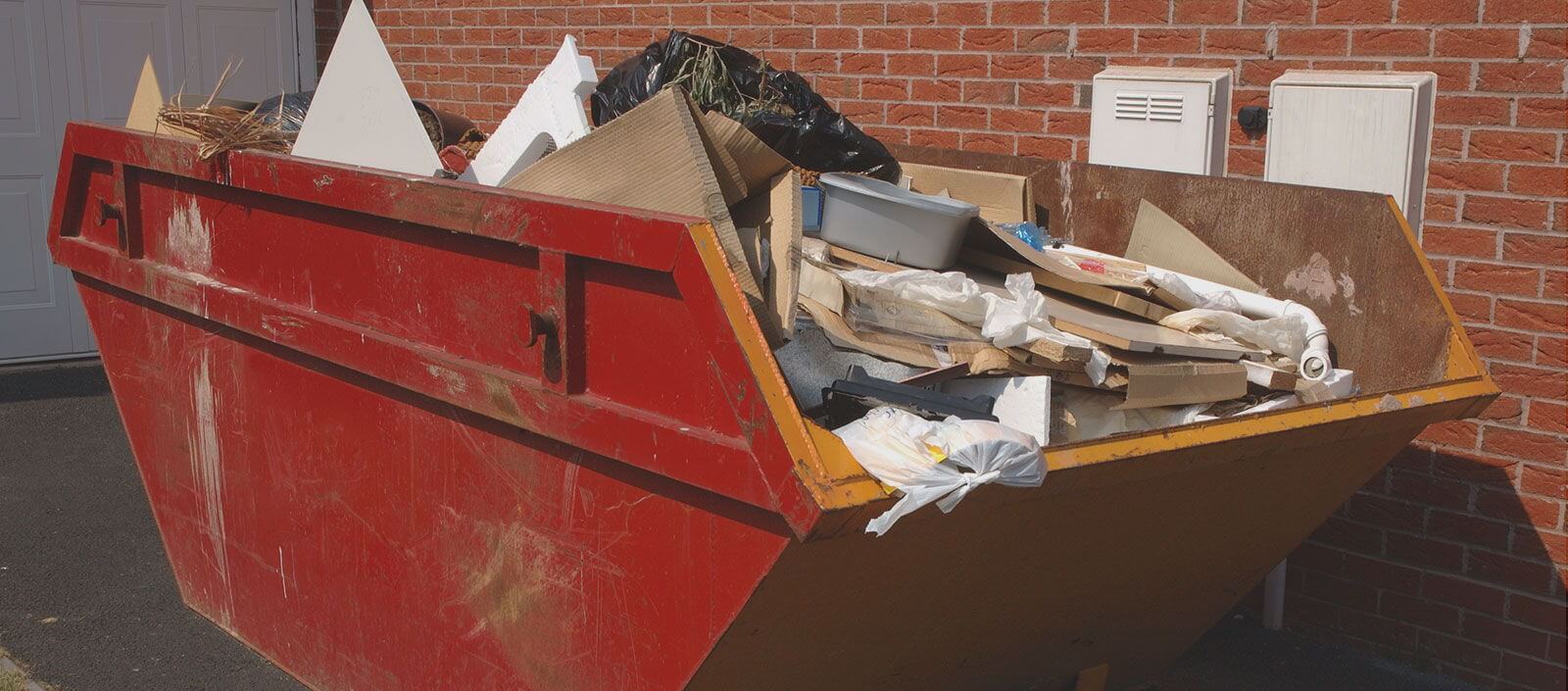
Builders and renovators are another big group. Construction waste is not something to mix casually with household refuse. It can include plasterboard, timber, tiles, insulation, metal fixings, and other materials that need proper handling. If you are planning work, it helps to think about disposal before demolition starts, not after the skip is already overflowing.
It is also relevant if you live in a property with access challenges. Narrow roads, limited parking, basement access, and shared entrances can all complicate collection. There is a useful local angle to this in how access problems for Holland Park road rubbish collections are often solved.
And if you are not sure whether you need a full clearance or just help with a few bulky items, that is normal. People rarely have only one type of waste. Real life is messy like that.
Step-by-Step Guidance
Here is a straightforward way to handle rubbish disposal in the borough without making it more complicated than it needs to be.
- Identify the waste type. Separate general rubbish, recycling, bulky items, garden waste, white goods, and any hazardous material.
- Check whether it is council-collected or specialist waste. Regular household refuse is one thing; fridges, paint tins, rubble, or mattresses may need a different route.
- Sort items before collection day. Keep recyclable items apart where required and remove loose liquids, sharps, or breakables.
- Plan access. Consider where bags or items will be placed, whether there is enough room, and whether anything could block walkways or entrances.
- Choose the right collection method. Use your normal disposal route, a bulky collection option, or a professional removal team depending on size and urgency.
- Confirm timings and presentation rules. Many issues happen because items are left out too early, too late, or in the wrong place.
- Keep records for business or managed properties. If you are responsible for commercial waste, retain proof of collection and note what was removed.
A small real-world example: someone clearing a one-bedroom flat might think, "It is only a few bags and an old chair." Then they add a broken lamp, a mirror, two boxes of mixed clutter, and a mattress. That is no longer a simple bin job. It is a clearance job. Better to spot that early.
If you are comparing service options, you may also find it useful to review the range of waste services available and decide whether your issue is a one-off collection or something recurring.
Expert Tips for Better Results
One of the best ways to avoid problems is to think in categories, not in piles. When waste is lumped into one mountain at the end of a room, decisions get harder. When it is split into "keep," "recycle," "bulky," and "special," everything becomes simpler very quickly. Not magical, just practical.
Use bags and containers sensibly. Overfilled bags split. Heavy bags cause mess and can be unsafe to move. If you are dealing with sharp edges, damp cardboard, or broken glass, do not just bundle it up and hope for the best. Wrap it, label it if needed, and keep it separate from the rest.
Think about timing too. Early morning collections, building access windows, and resident foot traffic all matter. On a quiet street at 7am, a neat stack may be fine. At a busier time, the same stack can become a nuisance in a matter of minutes. The environment changes the plan.
If you are using a private carrier, ask sensible questions. How do they handle mixed loads? What happens if the waste includes appliances? Are they licensed and insured? A reliable firm should be able to explain the process without sounding evasive. If that part matters to you, have a look at waste carrier licence and compliance information before you book anyone.
And one small but useful habit: take a quick photo of what is leaving the property before collection. It helps with disputes, tenant turnover, and the occasional "I thought that was included" moment. Slightly dull, very handy.
Common Mistakes to Avoid
The biggest mistake is assuming all rubbish is treated the same. It is not. A bin bag full of food waste is different from old office furniture, and that is different again from construction rubble or electrical appliances. If you treat them the same, something usually goes wrong.
Another common issue is over-reliance on "I'll just leave it outside." Sometimes that works. Often it does not. Items left in the wrong place can create obstruction, attract complaints, or simply fail to be collected. In tighter residential streets, the margin for error is slim.
People also underestimate how often mixed waste causes trouble. A bag of old toys, broken homeware, batteries, and soft furnishings might look manageable, but mixed streams are harder to process. Separate what you can. It makes life easier for everyone involved.
Here are some other missteps worth avoiding:
- Leaving waste out before the agreed time
- Mixing hazardous items with normal rubbish
- Using an unlicensed carrier for disposal
- Forgetting about access restrictions or parking limits
- Assuming bulky items can go out with regular bins
- Not asking about extra charges for stairs, heavy lifting, or delayed access
If you want a practical warning about pricing surprises, this guide to avoiding hidden charges in rubbish quotes is a smart companion read.
Truth be told, most waste problems are boring problems. They come from rushing, guessing, or leaving things until the last minute.
Tools, Resources and Recommendations
You do not need fancy tools to dispose of rubbish well, but a few basics make a real difference. Strong sacks, gloves, a marker pen, boxes for sharp or loose items, and a simple sorting area are often enough for a domestic clear-out. For larger jobs, a dolly, sack truck, or moving straps can reduce strain and speed up the process.
For planning, keep a short written list of what needs removing. That sounds almost too simple, but lists stop waste from being discovered in stages. First the cupboard. Then the loft. Then the under-stairs space. Then the "oh, and there's the garden shed." A list keeps that under control.
For properties with repeated waste flows, especially offices and managed buildings, use a repeatable system. Label collection points. Separate cardboard from mixed waste. Keep a note of recurring problem items. This is much easier than trying to improvise every week.
When you need something more hands-off, a professional team can help coordinate lifting, loading, and disposal. If you are comparing options, the pricing and quotes page can help you think through the sort of cost structure you may encounter, while recycling and sustainability information is useful if you care about where the material ends up after collection.
For many readers, the best recommendation is simple: start with the waste type, then choose the route. Not the other way around.
Law, Compliance, Standards, or Best Practice
Waste disposal sits in a compliance-heavy corner of everyday life. You do not need to become a legal expert, but you do need to be careful. In the UK, households, landlords, and businesses all have responsibilities around how waste is stored, handed over, and disposed of. If you are running a business, those responsibilities are more formal and should be treated seriously.
A key best practice is to use a waste carrier that is properly licensed and insured. That reduces the risk of fly-tipping and makes it much easier to show that your waste was passed to someone legitimate. This matters whether you are a homeowner clearing a spare room or a business disposing of office furniture.
Another standard to follow is correct segregation. In simple terms, recyclable items should not be mixed indiscriminately with non-recyclable waste when separation is reasonably possible. Hazardous items should be handled separately and never casually added to normal rubbish. That sounds obvious, yet it is one of the most common places people slip up.
For businesses and landlords, record-keeping is a practical standard, not just bureaucracy. Keep notes on collection dates, waste types, and who removed them. If there is ever a question later, those records help.
If you manage a portfolio or an office, a professional provider can reduce risk by working in line with accepted waste-handling practices. If safety matters to you, insurance and safety details are worth reviewing before you hand over any job.
There is also a wider ethical layer. Good waste handling supports cleaner streets, less illegal dumping, and better recycling outcomes. Not dramatic, maybe, but meaningful all the same.
Options, Methods, or Comparison Table
Choosing the right disposal method depends on volume, item type, urgency, and how much lifting or sorting you want to do yourself. Here is a simple comparison to make the decision easier.
| Method | Best for | Pros | Watch-outs |
|---|---|---|---|
| Standard household disposal | Everyday rubbish and routine recycling | Simple, familiar, low effort | Not suitable for bulky or unusual items |
| Bulky item collection route | Furniture, mattresses, large one-off items | Useful for occasional larger disposals | May need booking and specific presentation rules |
| Private rubbish collection | Mixed loads, fast turnarounds, awkward access | Flexible, quick, less lifting for you | Check licensing, pricing, and load assumptions |
| Skip hire | Renovations and ongoing building waste | Good for projects over several days | Space, permits, and filling rules can be restrictive |
| Specialist disposal | Appliances, hazardous items, or heavy waste | Safer and more appropriate for regulated items | May need extra planning and item separation |
If your situation is somewhere in the middle, you are not alone. That is where a more flexible service often makes the most sense, especially for rubbish collection in Holland Park or a broader waste removal solution where the job is bigger than normal bins but smaller than a full building project.
Case Study or Real-World Example
Imagine a landlord preparing a flat for new tenants after a long occupancy. The property contains a worn sofa, a broken coffee table, a small pile of old kitchenware, a lamp, two bags of mixed junk, and a mattress. On paper it looks like "a few bits." In reality, it is a mixed clearance with different disposal needs.
If the landlord leaves everything by the pavement without checking the right procedure, the result could be a collection issue, an awkward entrance blockage, or a complaint from neighbours. If they dump it all into one category, they may also create sorting problems at the point of disposal. Neither outcome is ideal.
A more sensible approach would be to separate what can be reused or recycled, identify any white goods or special items, and schedule a collection window that fits building access. A professional team can then load the furniture, remove the general waste, and take away the awkward pieces in one visit. The job is done, the flat is ready, and the hallway does not look like a mini depot for three days.
This is exactly why many people choose services like house clearance support, furniture disposal help, or appliance disposal services rather than trying to handle every item separately.
The pattern is usually the same: what starts as a few bags becomes a more complicated mix once you look closely. That is not a failure. It is just normal property life.
Practical Checklist
Use this checklist before you put anything out or book a collection.
- Have I identified the waste type correctly?
- Have I separated recycling from general rubbish where possible?
- Are there any hazardous, electrical, or sharp items?
- Do I know whether this needs a bulky collection or specialist removal?
- Is there enough space for safe access and loading?
- Am I leaving waste out at the correct time?
- Have I checked whether the carrier is licensed and insured?
- Do I know if there may be extra charges for stairs, weight, or access issues?
- Have I taken photos or notes if I am clearing a rented or managed property?
- Is there any item that should be handled separately?
If you are still unsure, it is usually better to ask a question than to guess. That one small pause can save a lot of mess later.
Get a free quote today and see how much you can save.
Conclusion
Understanding Kensington and Chelsea council rules for rubbish disposal is mostly about staying organised, using the right route for the right type of waste, and avoiding the tiny mistakes that create big annoyances. Once you know how the system works, it becomes much less intimidating. A bit of sorting, a bit of timing, and a little care with access go a long way.
For simple domestic waste, the normal process may be enough. For bulky items, mixed clearances, appliances, or business waste, a professional collection can remove a lot of stress and uncertainty. The main thing is to treat disposal as part of the job, not an afterthought. That is where most problems begin.
And if you are ever standing there with a half-packed room, a growing pile of things to go, and a sinking feeling that it is more than you planned for... well, you are in good company. Start with the checklist, and the rest usually gets easier from there.