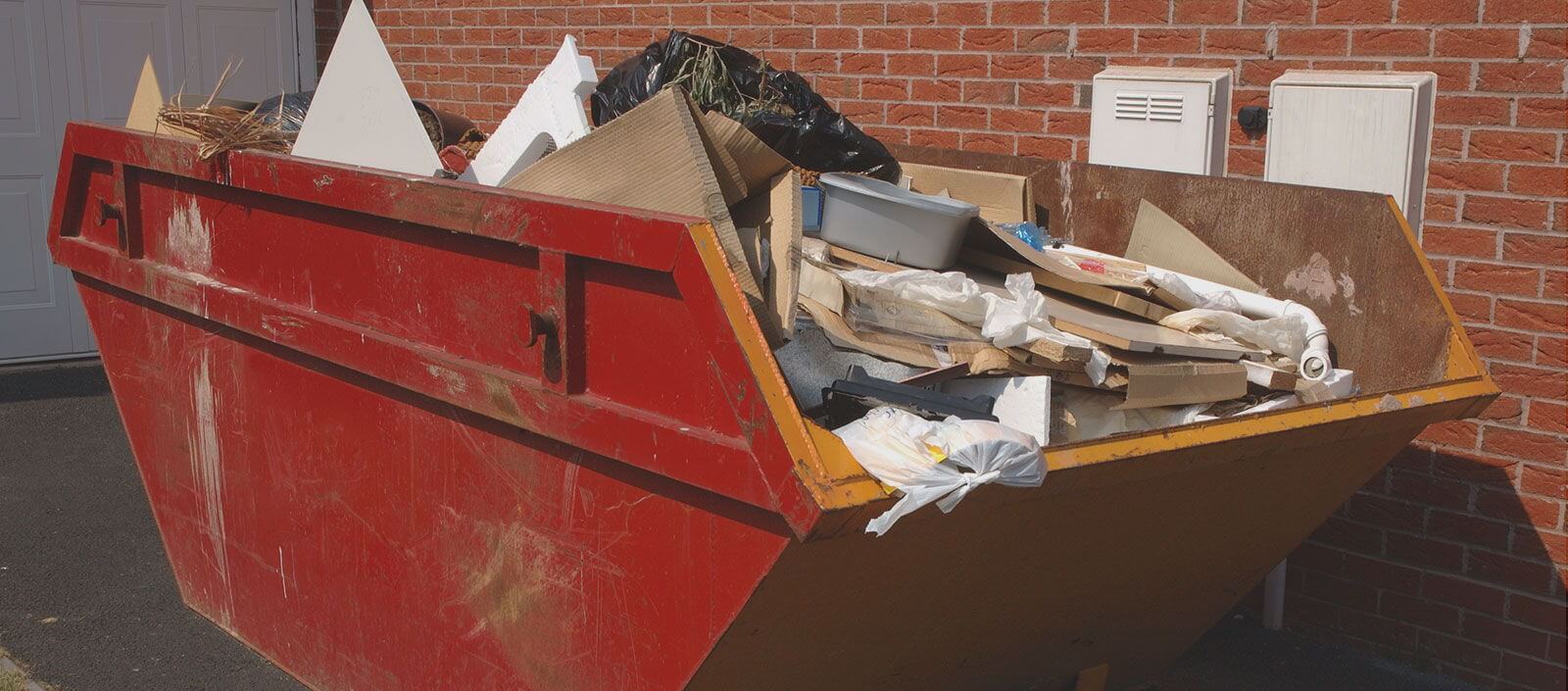
Rubbish collection options for Notting Hill Gate residents W11
Posted on 28/05/2026
If you live in Notting Hill Gate, you already know the area has its own rhythm: busy pavements, elegant conversions, a mix of flats and townhouses, and not always much space for keeping unwanted stuff around. That is exactly why choosing the right rubbish collection option matters. Whether you are clearing out a spare room, replacing a sofa, dealing with builders' debris, or just trying to get rid of the pile that has quietly taken over the hallway, the right service saves time, stress, and a few sore shoulders. This guide breaks down the main rubbish collection options for Notting Hill Gate residents W11, how they work, what to watch out for, and how to pick the most sensible approach for your situation.
For a broader look at local services, you can also explore the full services overview and the dedicated rubbish collection service page. If you are comparing providers, that extra context helps more than you might think. Truth be told, rubbish removal is one of those jobs that seems simple until it is not.

Why rubbish collection options for Notting Hill Gate residents W11 matters
In a place like W11, waste builds up fast. A flat refurbishment, a spring clean, a move, a tenancy change, or even a new appliance delivery can leave you with cardboard, packaging, broken items, old furniture, and bags of mixed rubbish all at once. The challenge is not just disposing of it, but doing so in a way that is lawful, efficient, and suitable for your building or street.
Notting Hill Gate also brings a few practical quirks. Shared entrances, narrow staircases, resident parking restrictions, busy roads, and time-sensitive access can make a simple trip to the tip feel like a small expedition. If you are dealing with bulky items, heavy bags, or anything awkward to carry, the wrong approach can lead to damage, delays, or just a deeply annoying afternoon.
That is where structured rubbish collection options come in. The right choice can help with:
- quick removal without waiting weeks for a convenient moment
- safe handling of bulky or heavy waste
- more appropriate sorting of recyclables and general waste
- less disruption for neighbours, tenants, or customers
- better control over costs, timing, and access
For many residents, the biggest win is peace of mind. You know the clutter is going, the job is being handled properly, and you are not left wondering whether you have missed a collection slot or left the wrong item on the pavement. Small relief, but a real one.
If you want to understand how a local provider frames its service, the page on domestic waste collection in Holland Park is a useful starting point, especially for household clear-outs and general rubbish.
How rubbish collection options for Notting Hill Gate residents W11 works
Most rubbish collection services follow a similar pattern, even if the details vary. You identify what needs removing, describe the volume and type of waste, arrange a collection window, and the team handles the lifting, loading, and disposal. Sounds straightforward. Mostly it is. But the details matter, because a sofa, a sack of garden cuttings, and builders' rubble are not treated the same way.
1. You assess the waste
Start by sorting the items into rough categories. Is it household rubbish, mixed junk, furniture, appliances, garden waste, or construction debris? This matters because different waste streams may need different handling. A few minutes of sorting now can prevent a lot of back-and-forth later.
2. You choose the collection method
For Notting Hill Gate residents, the main choices usually include kerbside collection, scheduled council-style collection where available, skip hire, or a private rubbish removal team. Which one fits depends on access, urgency, the amount of waste, and how much lifting you want to do yourself.
3. You arrange access and timing
Busy London streets make timing important. If your property has restricted access, a tight driveway, or awkward stairs, mention that early. Good providers plan around these realities rather than pretending they do not exist. The good ones will ask the right questions. The less careful ones, well, they will find out on arrival and everyone loses time.
4. The waste is collected and loaded
A proper collection should include manual handling where needed, loading into the vehicle, and sensible segregation of reusable or recyclable materials. This is one of the reasons many residents choose professional help over trying to move everything themselves.
5. Disposal and processing follow
After collection, waste should be taken to an authorised facility or transfer station, with recyclable materials separated where possible. If you are using a reputable provider, that process should not feel mysterious. You should know, at least in broad terms, where the waste goes and how it is handled.
If you are comparing different kinds of removals, the wider waste removal service page is useful because it shows how household, bulky, and mixed waste can be handled together.
Key benefits and practical advantages
The obvious benefit is convenience, but there is more to it than that. In a neighbourhood like Notting Hill Gate, where time, access, and presentation all matter, the right rubbish collection option can make a real difference.
- Less physical effort: no dragging sofas down stairwells or loading a car full of mixed waste.
- Faster turnaround: many collections can happen much sooner than you would manage on your own.
- Better for busy households: ideal if you are juggling work, children, tenants, or renovation schedules.
- Reduced disruption: a smooth collection keeps hallways, gardens, and shared entrances tidy.
- More suitable for bulky items: furniture, white goods, and awkward junk are easier to deal with professionally.
- Potentially better recycling outcomes: sorted waste is more likely to be processed properly.
There is also a subtle but important advantage: confidence. You are not guessing whether you can leave something on the curb, whether a mattress counts as bulky waste, or whether your building manager will object. You are dealing with a service built for this exact job. That calm feeling, after a messy clear-out, is worth a lot.
For anyone planning a more substantial home clean-up, a look at the benefits of professional junk removal services is helpful background, even if your own job is smaller.
Who this is for and when it makes sense
Rubbish collection options for Notting Hill Gate residents W11 suit a wide range of people. Some need a one-off collection after a clear-out. Others need regular support for a property, business, or building project. The common thread is usually one of three things: too much waste, not enough time, or waste that is too awkward to handle alone.
Typical situations include:
- House moves: old furniture, broken items, and packing materials can pile up quickly.
- Rental turnovers: landlords and tenants often need fast, tidy removal between occupiers.
- Spring cleans or decluttering: the back room, loft, and under-stairs cupboard always hold more than you expect.
- Renovation and DIY: plaster, wood, packaging, fixtures, and rubble need proper disposal.
- Business clear-outs: offices, shops, and studios often accumulate bulky waste and old equipment.
- Post-event tidying: especially after gatherings where packaging, bottles, or broken items appear all at once.
If you are in the middle of a refurbishment, the specialist builders waste disposal service may be the better fit. If you are clearing a flat or estate property, house clearance support can be more efficient than piecing things together item by item.
To be fair, not every job needs a full-scale clearance team. Sometimes a straightforward domestic collection is enough. The trick is choosing the lightest, quickest option that still gets the job done properly. No more, no less.
Step-by-step guidance
If you want to approach rubbish collection in a sensible way, use this process. It sounds basic, but basic is often where people save the most time and avoid the most hassle.
- Make a simple inventory. Walk through the space and list the waste in broad categories: furniture, bags, appliances, garden debris, rubble, mixed junk.
- Separate anything hazardous or restricted. Some items need extra care. Do not mix unknown materials into general waste just to be done with it.
- Measure roughly. You do not need engineering precision. Just note whether it is a few bags, a van load, or a larger mixed clear-out.
- Check access. Stairs, lifts, parking, loading points, and any time restrictions matter more than people realise.
- Pick the collection type. Choose a service that matches the waste stream and the urgency.
- Request a quote with clear details. The more accurate your description, the smoother the price and collection process should be.
- Prepare the space. Keep pathways clear and separate items you definitely want removed from anything you want to keep.
- Confirm timing and payment terms. Make sure you understand collection windows, access arrangements, and what happens if the job changes on the day.
A small example: if you are clearing a one-bedroom flat off a busy street near the Gate, a few large items and several bags can often be handled in one visit. If, however, there is a bulky wardrobe, a washing machine, and a pile of flat-pack packaging, it may be worth grouping items more carefully before booking. That simple bit of prep can save a lot of faffing around.
Expert tips for better results
Here is the part people often skip: the little decisions that improve the whole experience. The collection itself is only one part of the job. Good prep, good communication, and a little local awareness make everything easier.
- Book before the pile becomes a problem. When waste grows from "one bag" to "oh no", collections become more stressful.
- Be honest about the volume. Understating the amount of waste can lead to delays or a revised quote.
- Photograph awkward items. A quick image can help providers judge size, access, and likely handling needs.
- Keep mixed materials separate where possible. A cleaner sort can support recycling and simplify loading.
- Plan for access, not just removal. A narrow hallway or basement stair can matter as much as the waste itself.
- Ask how items are processed. A trustworthy service should be able to explain its general disposal approach clearly.
One small but useful habit: keep a "remove" corner in the property if you are decluttering over several days. It sounds almost too simple, but it helps enormously. By the time collection day comes around, there is no last-minute treasure hunt through piles of maybes.
If you are interested in sustainability, the recycling and sustainability page gives a clearer sense of how a responsible provider approaches sorting and disposal.

Common mistakes to avoid
Most rubbish collection problems are avoidable. Usually they come down to bad assumptions, rushed planning, or choosing the wrong service for the waste type. Happens all the time.
1. Treating every waste type as the same
Furniture, garden waste, appliances, and builders' debris all behave differently in practice. Mixing them without checking requirements can slow everything down.
2. Guessing the volume
A rough estimate is fine, but wild guessing is not. Overfilling a job or booking too small a collection can create extra charges or a second visit.
3. Forgetting access issues
Notting Hill Gate has plenty of properties with tricky access. If your waste is on an upper floor or behind a controlled entrance, say so early. Saves everyone a grim surprise.
4. Leaving items out too early
That can annoy neighbours, attract attention, or create safety issues. Keep the space tidy until collection time.
5. Ignoring compliance questions
If a provider cannot explain how they handle waste lawfully, that is a red flag. There is no need for drama, just move on.
6. Choosing purely on price
The cheapest option is not always the most cost-effective if it leads to delays, poor handling, or unclear disposal. Value matters. So does reliability.
Practical note: if a job involves mixed furniture, appliances, and general rubbish, ask for a tailored plan rather than assuming one standard vehicle or one fixed disposal method will fit. Often it will, but not always.
Tools, resources and recommendations
You do not need a toolbox full of specialist equipment to organise rubbish collection, but a few practical tools can make the process much smoother.
- Bin bags or rubble sacks: useful for sorting smaller items and keeping things manageable.
- Labels or sticky notes: handy when separating keep, donate, and remove piles.
- Phone camera: a few clear pictures help with quotes and planning.
- Measuring tape: useful for sofas, wardrobes, mattresses, and appliances.
- Lift and access details: jot down floor level, stair count, parking restrictions, and gate codes.
On the service side, these pages can help you compare options and understand what is available:
- pricing and quotes for understanding how estimates are usually handled
- services overview for a broader view of collection types
- furniture removal for bulky household items
- appliance disposal for fridges, washers, and similar items
- garden waste removal for branches, soil, and outdoor cuttings
- office clearance if the need is commercial rather than domestic
And if you simply want to know who is behind the service, the about us page can help build confidence before you book. A little due diligence goes a long way, especially in a city where everyone is busy and nobody wants avoidable confusion.
Law, compliance, standards, or best practice
Waste removal in the UK is not something to treat casually. You do not need to become a legal expert, but you should expect any collection provider to work responsibly and handle waste in line with accepted industry practice.
At a practical level, that usually means:
- using a properly authorised waste carrier
- transporting waste to legitimate disposal or processing facilities
- separating recyclable material where practical
- handling items safely, especially heavy or awkward waste
- providing clear terms, pricing, and collection expectations
If you are comparing services, it is sensible to ask whether the company follows documented compliance procedures. That is especially relevant for landlords, managing agents, businesses, and anyone dealing with regular waste streams. The page on waste carrier licence and compliance is especially useful for understanding the standards a responsible provider should meet.
Insurance and safety matter too. A collection team should take care around doorways, stairs, shared entrances, and parked vehicles. For heavier items and tighter spaces, that is not a minor detail; it is the whole ball game. The insurance and safety page is worth checking if you want reassurance on that front.
One more thing: if you are disposing of confidential papers, electrical items, or anything with personal data, be extra careful about what stays and what goes. It is a small step, but an important one.
Options, methods, or comparison table
There is no single "best" rubbish collection option for everyone. The right choice depends on volume, urgency, access, and how much involvement you want. Here is a practical comparison.
| Option | Best for | Pros | Limitations |
|---|---|---|---|
| Private rubbish collection | Quick household clear-outs, mixed junk, bulky items | Fast, flexible, lifting included, useful in tight-access streets | Can cost more than doing it yourself |
| Domestic waste collection | Regular household rubbish and small clear-outs | Simple and straightforward, suitable for everyday needs | Less ideal for very large or awkward items |
| Skip hire | Projects with ongoing waste from renovations | Good for larger volumes over time | Needs space and may be awkward in busy areas |
| Specialist furniture or appliance removal | Sofas, wardrobes, fridges, washing machines | Designed for bulky items and lifting-heavy jobs | Not always suitable for mixed waste |
| Clearance service | Lofts, houses, offices, estates, full-room clearances | Most efficient for larger, more complex jobs | May be more than you need for a small load |
As a rule of thumb: if the waste is bulky, mixed, or awkward, a private collection or clearance service is often the most practical option. If the waste is simple and small in volume, a lighter approach may be enough. Simple as that.
Case study or real-world example
Imagine a Notting Hill Gate resident clearing out a two-bedroom flat before new tenants move in. There is a broken wardrobe in one room, old curtains, several bin bags of mixed clutter, two office chairs, and a fridge that has finally given up on life. The building has a narrow entrance, a shared hallway, and limited parking outside. Lovely, in a chaotic sort of way.
In that situation, trying to handle everything personally would probably mean multiple trips, awkward lifting, and a lot of time spent trying to work out where to park without upsetting the whole street. A better approach would be a combined domestic and furniture collection, with appliance disposal arranged for the fridge and a separate plan for any leftover mixed waste.
What made the job work was not just removing the items. It was the preparation: the resident separated keep-and-remove piles, took a couple of photos in advance, and told the provider about the narrow entrance and the parking reality. That one bit of honesty helped the team arrive prepared, finish quickly, and leave the flat ready for cleaning. No drama. Just done.
That is the pattern you want. Clear information in, smooth removal out.
Practical checklist
Use this before booking or collecting anything:
- Have I listed all the items to be removed?
- Do I know whether the waste is general, bulky, garden, builders', or mixed?
- Have I checked access, stairs, parking, and entry instructions?
- Do I need furniture removal, appliance disposal, or house clearance rather than a general collection?
- Have I separated items I want to keep from items going out?
- Do I have photos ready if the job is unusual or bulky?
- Have I asked about pricing, timing, and payment terms?
- Do I know who is responsible for disposal and compliance?
- Have I cleared a path for the collection team?
- Am I sure there are no restricted or hazardous items mixed in?
If you can tick most of those off, you are in good shape.
Conclusion
Rubbish collection options for Notting Hill Gate residents W11 are really about making a messy job manageable. The best option is not always the biggest one or the cheapest one. It is the one that fits your waste type, your building, your schedule, and your peace of mind. For a small flat clear-out, a straightforward domestic collection may be enough. For awkward furniture, appliances, or renovation debris, a more tailored service will usually save time and reduce stress.
Take a little time to sort the waste, think through access, and choose a provider that can explain the process clearly. That one bit of planning usually pays off. And if you live in a busy part of W11, that calm, uncluttered finish can feel surprisingly good. Almost luxurious, really.
Get a free quote today and see how much you can save.
For the next step, you may also want to review the wider waste removal options or explore the dedicated local rubbish collection service if you are ready to arrange removal.

 Tipper Van - Rubbish Clearance and Rubbish Removal Prices in Holland Park, W8
 Luton Van - Rubbish Clearance and Rubbish Removal Prices in Holland Park, W8